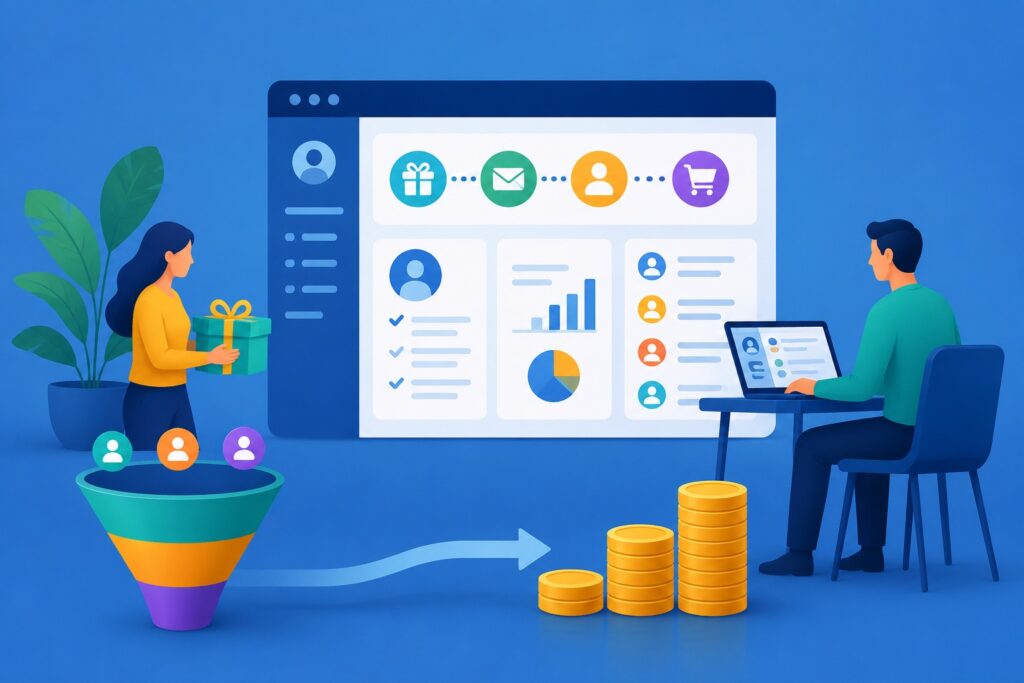
Finding new leads is only half the battle. The real challenge is turning those interested prospects into customers who are ready to buy. While many business owners spend thousands of dollars on advertising, they often overlook one of the simplest tools available—a well-crafted sales script.
A sales script isn’t about sounding robotic or reading from a page word for word. Instead, it gives you a clear structure for guiding conversations, answering questions with confidence, and helping potential clients make informed decisions. When combined with genuine interest in solving a customer’s problem, a sales script becomes one of the most valuable resources in your client acquisition strategy.
The best part? You don’t have to purchase expensive courses or hire a sales consultant to get started. Free sales scripts can dramatically improve your response rate when they’re written with your audience in mind.
This guide will show you how to use free sales scripts effectively, when to customize them, and several proven examples you can adapt for your own business.

Why Sales Scripts Still Work in 2026
Technology has changed how businesses communicate with potential customers. People discover brands through Google searches, social media, YouTube videos, online communities, and email newsletters. Despite these changes, one thing remains constant: people buy from businesses they trust.
Sales scripts help you build that trust consistently.
Instead of wondering what to say next, you’ll focus on understanding the customer’s needs while following a proven conversation framework.
Businesses that use structured conversations often experience:
- Faster response times
- Higher conversion rates
- More consistent customer experiences
- Increased confidence during sales calls
- Better handling of objections
- Higher close rates
Whether you’re a freelancer, consultant, coach, agency owner, software company, or local business, having a repeatable sales process removes uncertainty from every conversation.
What Makes a Great Sales Script?
Many people think a sales script should persuade someone to buy.
Actually, a great script does something much more valuable.
It helps prospects make a confident decision.
The best scripts include five important elements.
1. A Friendly Opening
Start naturally.
Avoid sounding like you’re reading from a telemarketing script.
Instead of saying:
“Hello, I’d like to tell you about our services.”
Try:
“Hi Sarah, thanks for taking a few minutes to chat today. I noticed you downloaded our free website checklist, and I wanted to see if you had any questions about improving your online presence.”
This immediately creates context.
2. Discovery Questions
The goal isn’t to sell.
The goal is to understand.
Ask questions like:
- What inspired you to reach out today?
- What’s your biggest challenge right now?
- What have you already tried?
- What’s preventing you from reaching your goal?
- If you solved this problem, what would change for your business?
The more they talk, the more information you’ll have to recommend the right solution.
3. Active Listening
Don’t rush into your presentation.
Repeat key points back to the prospect.
For example:
“It sounds like you’re generating traffic, but very few visitors are becoming customers. Is that correct?”
This simple statement shows you’re listening instead of waiting for your turn to speak.
4. Present the Solution
Connect your offer directly to their problem.
Instead of listing features, explain benefits.
Instead of saying:
“Our software has automated email sequences.”
Say:
“Since you mentioned following up takes too much time, our automated email system keeps prospects engaged while you focus on running your business.”
Benefits always outperform features.
5. Ask for the Next Step
Many sales conversations end without a clear conclusion.
Always finish with a simple next action.
Examples include:
- Scheduling a consultation
- Starting a free trial
- Booking a demo
- Requesting a proposal
- Completing a purchase
Never leave the conversation open-ended.
Free Sales Script for First-Time Inquiries
This works well when someone fills out your contact form or downloads a free resource.
Sales Script
“Hi [Name], thanks for downloading our free guide. I wanted to personally check in and see what caught your attention.
Many people who download this resource are trying to solve a specific challenge.
Would you mind sharing what you’re currently working on?”
Allow them to explain.
After listening:
“Thanks for sharing that. Based on what you’ve told me, I think there are a few practical ways we can help. Would it be helpful if I walked you through them?”
Notice the conversation feels helpful—not salesy.
Free Sales Script for Discovery Calls
Discovery calls should focus on learning.
Here’s a simple framework.
Introduction
“Thanks for meeting with me today. My goal isn’t to sell you anything. I’d simply like to understand your business and see whether we’re a good fit.”
This removes pressure immediately.
Questions
- Tell me about your business.
- What are your current goals?
- What’s your biggest obstacle?
- What happens if this problem isn’t solved?
- Have you worked with someone before?
Listen carefully.
Take notes.
Only after understanding their situation should you recommend your service.
Free Email Sales Script
Subject: Thanks for Downloading Our Free Guide
Hi [Name],
I appreciate you downloading our free resource.
I wanted to check in because many business owners who read this guide have questions about applying the strategies to their own situation.
If you’d like, reply to this email and tell me:
- Your biggest challenge
- Your current goal
- What’s holding you back
I’ll personally point you toward the next best step—even if that means recommending a free resource instead of one of our services.
Looking forward to hearing from you.
Best,
[Your Name]
This type of email builds credibility before asking for a sale.
Free Follow-Up Sales Script
Many sales happen after the second or third conversation—not the first.
A simple follow-up message can revive conversations that have gone quiet.
*”Hi [Name],
I just wanted to follow up regarding our conversation.
I know you’re busy, so I wanted to check whether improving [specific problem] is still a priority.
If your plans have changed, no worries at all.
If you’d still like help, I’d be happy to answer any questions.
Have a great week!”*
Notice there’s no pressure.
Just professionalism.
Common Sales Script Mistakes
Even experienced sales professionals make mistakes that reduce conversions.
Avoid these common pitfalls:
Talking Too Much
The prospect should speak more than you do.
Aim for a conversation where they talk about 70% of the time.
Using Industry Jargon
Simple language is always easier to understand.
Explain solutions as if you’re speaking with a friend.
Selling Too Early
People don’t buy because you explain your product.
They buy because they believe you understand their problem.
Spend more time asking questions than presenting your offer.
Sounding Scripted
Ironically, the best sales scripts don’t sound like scripts.
Practice until your conversation feels natural.
Free Sales Script for Handling Common Objections
Even when a prospect is genuinely interested, objections are part of the buying process. They aren’t always rejections—they’re often requests for more information or reassurance. Responding calmly and confidently can make all the difference.
Objection: “It’s too expensive.”
Rather than immediately offering a discount, uncover what’s behind the concern.
Example Script
“I completely understand wanting to make sure it’s a worthwhile investment. May I ask what you’re comparing it to? Is it the overall budget, or are you still deciding if it’s the right solution?”
This opens a conversation instead of creating a negotiation.
If the issue is budget, focus on value.
“If this solution could save you ten hours every month or help you gain just one additional client, would that make the investment worthwhile?”
Help prospects think about return on investment rather than upfront cost.
Objection: “I need to think about it.”
Most people don’t actually need more time—they need more confidence.
Try asking:
“Absolutely. Before you decide, is there anything you’re uncertain about that I can help clarify?”
Many hidden objections come to light after asking this simple question.
Objection: “I’m already working with someone.”
Avoid criticizing competitors.
Instead say:
“That’s great to hear. It means you already recognize the importance of solving this problem. May I ask what you like most about your current provider?”
Then ask:
“If you could improve one thing about your current experience, what would it be?”
This often reveals opportunities where your service stands out naturally.
Free Closing Script Without Sounding Pushy
The strongest sales professionals don’t pressure prospects. Instead, they guide them toward making a decision that’s in their best interest.
Example Closing Script
“Based on everything you’ve shared today, I believe this solution would help you achieve the goals you described.
Would you like me to explain what the next steps look like?”
Notice the wording.
You’re asking permission instead of forcing a sale.
Sales Script for Freelancers
Freelancers often struggle because they immediately talk about their skills instead of the client’s problems.
Example
*”Thanks for reaching out.
Before I recommend anything, I’d love to learn more about your project.
What are you hoping to accomplish, and what challenges have you faced so far?”*
After listening:
“Based on what you’ve shared, I think we can simplify this process and help you reach your goal much faster.”
Clients buy outcomes—not resumes.
Sales Script for Marketing Agencies
Agency owners should focus on measurable business growth.
Example
*”Many businesses contact us because they’re getting website traffic but very few qualified leads.
Would you say that’s similar to your current situation?”*
If yes:
“Let’s look at where potential customers are leaving your website so we can identify the biggest opportunities.”
You’re positioning yourself as an advisor instead of a salesperson.
Sales Script for Coaches and Consultants
People invest in coaching because they want transformation.
Example
“Where are you today, and where would you like to be six months from now?”
Follow with:
“What’s preventing you from getting there on your own?”
Then explain exactly how your coaching bridges that gap.
Sales Script for Local Service Businesses
Whether you’re a plumber, landscaper, locksmith, garage door company, electrician, or HVAC contractor, speed matters.
Example
*”Thank you for contacting us.
I’d be happy to help.
Could you tell me exactly what’s happening so I can recommend the quickest solution?”*
Once they explain:
*”Based on what you’ve described, we can definitely help.
Would you like to schedule the earliest available appointment?”*
Simple.
Helpful.
Professional.
Turn Free Resources Into Sales Conversations
One of the smartest client acquisition strategies is giving away something genuinely useful before asking someone to buy.
Examples include:
- Free eBooks
- Downloadable checklists
- Business templates
- Website audits
- Free consultations
- Marketing planners
- Industry reports
- Email templates
- Video tutorials
- Mini courses
Each free resource starts a relationship built on trust instead of pressure.
When someone benefits from your free content, they’re far more likely to become a paying client later.
Personalize Every Sales Script
Never copy a script word-for-word.
Instead, customize it using:
- The prospect’s first name
- Their company
- Their industry
- Their biggest challenge
- Their goals
- Their previous interactions with your business
Small details make conversations feel personal.
People appreciate businesses that pay attention.
Measure Which Scripts Convert Best
Improvement comes from tracking results.
Keep a simple spreadsheet that records:
- Number of leads
- Script used
- Discovery calls booked
- Proposals sent
- Deals won
- Revenue generated
After several months, you’ll notice patterns.
Some openings consistently perform better.
Certain questions encourage longer conversations.
Specific follow-up emails generate more replies.
Successful sales teams improve their scripts continuously instead of assuming the first version is perfect.
Frequently Asked Questions
Are sales scripts still effective?
Yes. A sales script provides structure while allowing room for natural conversation. The best scripts sound authentic rather than rehearsed.
Should I memorize my sales script?
No. Understand the flow instead of memorizing every word. This helps conversations feel genuine and adaptable.
Can free sales scripts increase conversion rates?
Absolutely. Well-written scripts help you ask better questions, address concerns effectively, and guide prospects toward the right solution without appearing overly aggressive.
What’s the biggest mistake people make with sales scripts?
Talking too much. Successful sales conversations focus on listening, identifying needs, and recommending the right solution instead of delivering a lengthy sales pitch.
Should I change my script for different industries?
Yes. Every audience has unique challenges. A freelancer, software company, real estate agent, or local contractor will each benefit from language that reflects their customers’ specific needs.
Final Thoughts
A great sales script isn’t about convincing someone to buy something they don’t need. It’s about creating meaningful conversations that uncover challenges, provide value, and help prospects make informed decisions.
When paired with high-quality free resources—such as downloadable guides, templates, checklists, webinars, or consultations—sales scripts become even more effective. Prospects are far more likely to trust businesses that educate first and sell second.
Start by choosing one script from this guide and adapt it to match your audience. Test it during your next few conversations, pay attention to the questions prospects ask, and refine your approach over time. Small improvements can lead to significant gains in conversion rates.
Remember, every paying client begins as a curious lead. The right words, delivered with honesty and confidence, can be the bridge that turns interest into long-term business relationships.
The written content on this page was generated by ChatGPT.