Free Sales Scripts That Help Convert Leads into Paying Clients

Finding new leads is only half the battle. The real challenge is turning those interested prospects into customers who are ready to buy. While many business owners spend thousands of dollars on advertising, they often overlook one of the simplest tools available—a well-crafted sales script.

A sales script isn’t about sounding robotic or reading from a page word for word. Instead, it gives you a clear structure for guiding conversations, answering questions with confidence, and helping potential clients make informed decisions. When combined with genuine interest in solving a customer’s problem, a sales script becomes one of the most valuable resources in your client acquisition strategy.

The best part? You don’t have to purchase expensive courses or hire a sales consultant to get started. Free sales scripts can dramatically improve your response rate when they’re written with your audience in mind.

This guide will show you how to use free sales scripts effectively, when to customize them, and several proven examples you can adapt for your own business.

Free Sales Scripts That Help Convert Leads into Paying Clients
image generated by ChatGPT

Why Sales Scripts Still Work in 2026

Technology has changed how businesses communicate with potential customers. People discover brands through Google searches, social media, YouTube videos, online communities, and email newsletters. Despite these changes, one thing remains constant: people buy from businesses they trust.

Sales scripts help you build that trust consistently.

Instead of wondering what to say next, you’ll focus on understanding the customer’s needs while following a proven conversation framework.

Businesses that use structured conversations often experience:

  • Faster response times
  • Higher conversion rates
  • More consistent customer experiences
  • Increased confidence during sales calls
  • Better handling of objections
  • Higher close rates

Whether you’re a freelancer, consultant, coach, agency owner, software company, or local business, having a repeatable sales process removes uncertainty from every conversation.


What Makes a Great Sales Script?

Many people think a sales script should persuade someone to buy.

Actually, a great script does something much more valuable.

It helps prospects make a confident decision.

The best scripts include five important elements.

1. A Friendly Opening

Start naturally.

Avoid sounding like you’re reading from a telemarketing script.

Instead of saying:

“Hello, I’d like to tell you about our services.”

Try:

“Hi Sarah, thanks for taking a few minutes to chat today. I noticed you downloaded our free website checklist, and I wanted to see if you had any questions about improving your online presence.”

This immediately creates context.


2. Discovery Questions

The goal isn’t to sell.

The goal is to understand.

Ask questions like:

  • What inspired you to reach out today?
  • What’s your biggest challenge right now?
  • What have you already tried?
  • What’s preventing you from reaching your goal?
  • If you solved this problem, what would change for your business?

The more they talk, the more information you’ll have to recommend the right solution.


3. Active Listening

Don’t rush into your presentation.

Repeat key points back to the prospect.

For example:

“It sounds like you’re generating traffic, but very few visitors are becoming customers. Is that correct?”

This simple statement shows you’re listening instead of waiting for your turn to speak.


4. Present the Solution

Connect your offer directly to their problem.

Instead of listing features, explain benefits.

Instead of saying:

“Our software has automated email sequences.”

Say:

“Since you mentioned following up takes too much time, our automated email system keeps prospects engaged while you focus on running your business.”

Benefits always outperform features.


5. Ask for the Next Step

Many sales conversations end without a clear conclusion.

Always finish with a simple next action.

Examples include:

  • Scheduling a consultation
  • Starting a free trial
  • Booking a demo
  • Requesting a proposal
  • Completing a purchase

Never leave the conversation open-ended.


Free Sales Script for First-Time Inquiries

This works well when someone fills out your contact form or downloads a free resource.

Sales Script

“Hi [Name], thanks for downloading our free guide. I wanted to personally check in and see what caught your attention.

Many people who download this resource are trying to solve a specific challenge.

Would you mind sharing what you’re currently working on?”

Allow them to explain.

After listening:

“Thanks for sharing that. Based on what you’ve told me, I think there are a few practical ways we can help. Would it be helpful if I walked you through them?”

Notice the conversation feels helpful—not salesy.


Free Sales Script for Discovery Calls

Discovery calls should focus on learning.

Here’s a simple framework.

Introduction

“Thanks for meeting with me today. My goal isn’t to sell you anything. I’d simply like to understand your business and see whether we’re a good fit.”

This removes pressure immediately.

Questions

  • Tell me about your business.
  • What are your current goals?
  • What’s your biggest obstacle?
  • What happens if this problem isn’t solved?
  • Have you worked with someone before?

Listen carefully.

Take notes.

Only after understanding their situation should you recommend your service.


Free Email Sales Script

Subject: Thanks for Downloading Our Free Guide

Hi [Name],

I appreciate you downloading our free resource.

I wanted to check in because many business owners who read this guide have questions about applying the strategies to their own situation.

If you’d like, reply to this email and tell me:

  • Your biggest challenge
  • Your current goal
  • What’s holding you back

I’ll personally point you toward the next best step—even if that means recommending a free resource instead of one of our services.

Looking forward to hearing from you.

Best,

[Your Name]

This type of email builds credibility before asking for a sale.


Free Follow-Up Sales Script

Many sales happen after the second or third conversation—not the first.

A simple follow-up message can revive conversations that have gone quiet.

*”Hi [Name],

I just wanted to follow up regarding our conversation.

I know you’re busy, so I wanted to check whether improving [specific problem] is still a priority.

If your plans have changed, no worries at all.

If you’d still like help, I’d be happy to answer any questions.

Have a great week!”*

Notice there’s no pressure.

Just professionalism.


Common Sales Script Mistakes

Even experienced sales professionals make mistakes that reduce conversions.

Avoid these common pitfalls:

Talking Too Much

The prospect should speak more than you do.

Aim for a conversation where they talk about 70% of the time.

Using Industry Jargon

Simple language is always easier to understand.

Explain solutions as if you’re speaking with a friend.

Selling Too Early

People don’t buy because you explain your product.

They buy because they believe you understand their problem.

Spend more time asking questions than presenting your offer.

Sounding Scripted

Ironically, the best sales scripts don’t sound like scripts.

Practice until your conversation feels natural.

Free Sales Script for Handling Common Objections

Even when a prospect is genuinely interested, objections are part of the buying process. They aren’t always rejections—they’re often requests for more information or reassurance. Responding calmly and confidently can make all the difference.

Objection: “It’s too expensive.”

Rather than immediately offering a discount, uncover what’s behind the concern.

Example Script

“I completely understand wanting to make sure it’s a worthwhile investment. May I ask what you’re comparing it to? Is it the overall budget, or are you still deciding if it’s the right solution?”

This opens a conversation instead of creating a negotiation.

If the issue is budget, focus on value.

“If this solution could save you ten hours every month or help you gain just one additional client, would that make the investment worthwhile?”

Help prospects think about return on investment rather than upfront cost.


Objection: “I need to think about it.”

Most people don’t actually need more time—they need more confidence.

Try asking:

“Absolutely. Before you decide, is there anything you’re uncertain about that I can help clarify?”

Many hidden objections come to light after asking this simple question.


Objection: “I’m already working with someone.”

Avoid criticizing competitors.

Instead say:

“That’s great to hear. It means you already recognize the importance of solving this problem. May I ask what you like most about your current provider?”

Then ask:

“If you could improve one thing about your current experience, what would it be?”

This often reveals opportunities where your service stands out naturally.


Free Closing Script Without Sounding Pushy

The strongest sales professionals don’t pressure prospects. Instead, they guide them toward making a decision that’s in their best interest.

Example Closing Script

“Based on everything you’ve shared today, I believe this solution would help you achieve the goals you described.

Would you like me to explain what the next steps look like?”

Notice the wording.

You’re asking permission instead of forcing a sale.


Sales Script for Freelancers

Freelancers often struggle because they immediately talk about their skills instead of the client’s problems.

Example

*”Thanks for reaching out.

Before I recommend anything, I’d love to learn more about your project.

What are you hoping to accomplish, and what challenges have you faced so far?”*

After listening:

“Based on what you’ve shared, I think we can simplify this process and help you reach your goal much faster.”

Clients buy outcomes—not resumes.


Sales Script for Marketing Agencies

Agency owners should focus on measurable business growth.

Example

*”Many businesses contact us because they’re getting website traffic but very few qualified leads.

Would you say that’s similar to your current situation?”*

If yes:

“Let’s look at where potential customers are leaving your website so we can identify the biggest opportunities.”

You’re positioning yourself as an advisor instead of a salesperson.


Sales Script for Coaches and Consultants

People invest in coaching because they want transformation.

Example

“Where are you today, and where would you like to be six months from now?”

Follow with:

“What’s preventing you from getting there on your own?”

Then explain exactly how your coaching bridges that gap.


Sales Script for Local Service Businesses

Whether you’re a plumber, landscaper, locksmith, garage door company, electrician, or HVAC contractor, speed matters.

Example

*”Thank you for contacting us.

I’d be happy to help.

Could you tell me exactly what’s happening so I can recommend the quickest solution?”*

Once they explain:

*”Based on what you’ve described, we can definitely help.

Would you like to schedule the earliest available appointment?”*

Simple.

Helpful.

Professional.


Turn Free Resources Into Sales Conversations

One of the smartest client acquisition strategies is giving away something genuinely useful before asking someone to buy.

Examples include:

  • Free eBooks
  • Downloadable checklists
  • Business templates
  • Website audits
  • Free consultations
  • Marketing planners
  • Industry reports
  • Email templates
  • Video tutorials
  • Mini courses

Each free resource starts a relationship built on trust instead of pressure.

When someone benefits from your free content, they’re far more likely to become a paying client later.


Personalize Every Sales Script

Never copy a script word-for-word.

Instead, customize it using:

  • The prospect’s first name
  • Their company
  • Their industry
  • Their biggest challenge
  • Their goals
  • Their previous interactions with your business

Small details make conversations feel personal.

People appreciate businesses that pay attention.


Measure Which Scripts Convert Best

Improvement comes from tracking results.

Keep a simple spreadsheet that records:

  • Number of leads
  • Script used
  • Discovery calls booked
  • Proposals sent
  • Deals won
  • Revenue generated

After several months, you’ll notice patterns.

Some openings consistently perform better.

Certain questions encourage longer conversations.

Specific follow-up emails generate more replies.

Successful sales teams improve their scripts continuously instead of assuming the first version is perfect.


Frequently Asked Questions

Are sales scripts still effective?

Yes. A sales script provides structure while allowing room for natural conversation. The best scripts sound authentic rather than rehearsed.

Should I memorize my sales script?

No. Understand the flow instead of memorizing every word. This helps conversations feel genuine and adaptable.

Can free sales scripts increase conversion rates?

Absolutely. Well-written scripts help you ask better questions, address concerns effectively, and guide prospects toward the right solution without appearing overly aggressive.

What’s the biggest mistake people make with sales scripts?

Talking too much. Successful sales conversations focus on listening, identifying needs, and recommending the right solution instead of delivering a lengthy sales pitch.

Should I change my script for different industries?

Yes. Every audience has unique challenges. A freelancer, software company, real estate agent, or local contractor will each benefit from language that reflects their customers’ specific needs.

source: Brandon Mulrenin

Final Thoughts

A great sales script isn’t about convincing someone to buy something they don’t need. It’s about creating meaningful conversations that uncover challenges, provide value, and help prospects make informed decisions.

When paired with high-quality free resources—such as downloadable guides, templates, checklists, webinars, or consultations—sales scripts become even more effective. Prospects are far more likely to trust businesses that educate first and sell second.

Start by choosing one script from this guide and adapt it to match your audience. Test it during your next few conversations, pay attention to the questions prospects ask, and refine your approach over time. Small improvements can lead to significant gains in conversion rates.

Remember, every paying client begins as a curious lead. The right words, delivered with honesty and confidence, can be the bridge that turns interest into long-term business relationships.

The written content on this page was generated by ChatGPT.
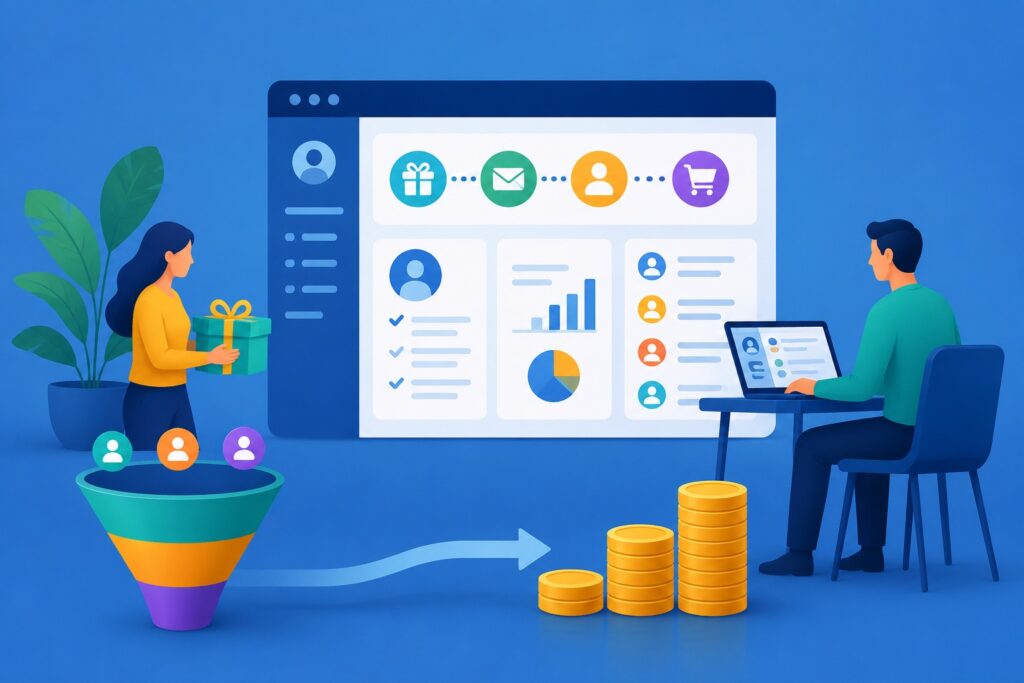
Using CRM Tools to Track Clients from Free Offers to Sales

Many businesses spend countless hours creating free resources to attract potential customers. They design downloadable guides, publish educational videos, offer free consultations, and build email courses, hoping these valuable resources will eventually generate paying clients. While these free offers can successfully attract attention, many business owners struggle with what happens next.

Without an organized system, leads disappear into overflowing inboxes, spreadsheets become outdated, and follow-up messages are forgotten. Someone who downloaded a free checklist six months ago might be ready to buy today, but if you cannot easily find their information, you’ve likely lost a valuable opportunity.

This is where Customer Relationship Management (CRM) software becomes one of the most valuable investments for any growing business. A CRM doesn’t simply store names and email addresses. It allows you to understand where each potential client is in their buying journey, automate follow-ups, personalize communication, and identify which free offers consistently generate the highest-quality customers.

Whether you’re a freelancer, consultant, agency owner, coach, local service provider, or online entrepreneur, using a CRM correctly can transform scattered leads into organized opportunities and consistent sales.

Using CRM Tools to Track Clients from Free Offers to Sales
image generated by ChatGPT

Why Tracking Free Offers Matters

Free resources are often the first interaction someone has with your business. They may download an ebook, subscribe to a newsletter, register for a webinar, or request a free estimate because they’re researching solutions—not necessarily because they’re ready to purchase immediately.

Some prospects buy within hours.

Others may take weeks.

Many won’t make a purchasing decision for several months.

If you lose track of these individuals after the initial interaction, you’ve wasted the time and effort invested in creating valuable content.

Tracking every lead helps you:

  • Understand how people discover your business
  • Identify which free offers convert best
  • Send relevant follow-up emails
  • Build trust before making a sales offer
  • Increase conversion rates without increasing advertising costs

Instead of starting from scratch with every marketing campaign, you build a growing database of interested prospects.


What Is a CRM?

A Customer Relationship Management (CRM) system is software designed to organize customer information, monitor interactions, and simplify communication throughout the sales process.

Think of it as the central hub for every conversation your business has with potential and existing customers.

Rather than relying on sticky notes, spreadsheets, or memory, everything is stored in one location, including:

  • Contact information
  • Email history
  • Phone calls
  • Meeting notes
  • Downloaded resources
  • Sales stage
  • Tasks
  • Appointments
  • Purchase history

As your business grows, this organization becomes increasingly valuable.


Mapping the Client Journey

One of the biggest advantages of CRM software is visualizing each stage of the customer journey.

A simple pipeline may look like this:

Visitor → Free Download → Email Subscriber → Qualified Lead → Consultation → Proposal → Customer → Repeat Customer

Each stage represents progress.

Instead of wondering where a prospect stands, you immediately know which action should happen next.


Collect Better Lead Information from Day One

Many businesses only ask for an email address.

While this keeps forms simple, gathering a little more information can improve future communication.

Consider collecting:

  • First name
  • Business name
  • Industry
  • Website
  • Company size
  • Primary challenge
  • Service interest

This information allows you to segment leads and provide more personalized follow-up content.


Automatically Import Leads into Your CRM

One common mistake is manually transferring leads from forms into spreadsheets.

Automation eliminates this problem.

Modern CRM systems can automatically receive information whenever someone:

  • Downloads an ebook
  • Signs up for a webinar
  • Books a consultation
  • Requests pricing
  • Completes a contact form
  • Joins your email list

This creates an uninterrupted workflow with fewer errors.


Organize Contacts with Tags

Not every lead has the same interests.

Tags help separate contacts based on their behavior.

Examples include:

  • Ebook Download
  • Webinar Attendee
  • Free Consultation
  • Pricing Requested
  • Newsletter Subscriber
  • Returning Visitor
  • Existing Client

These tags make future marketing significantly more targeted.


Use Lead Scoring to Identify Sales Opportunities

Not every subscriber is equally interested.

CRM software often includes lead scoring, assigning points based on user behavior.

For example:

  • Downloaded guide: 10 points
  • Opened five emails: 20 points
  • Visited pricing page: 25 points
  • Booked consultation: 40 points
  • Requested proposal: 60 points

Higher scores indicate stronger buying intent, allowing sales teams to prioritize their outreach.


Build Automated Follow-Up Sequences

The first download shouldn’t be the last interaction.

Automation keeps your business in front of potential customers without requiring daily manual effort.

A simple sequence might include:

Day 1: Deliver the free resource.

Day 3: Share additional educational content.

Day 7: Provide a helpful case study.

Day 10: Invite the prospect to schedule a consultation.

Day 14: Introduce your paid service.

The goal is to educate first and sell later.


Monitor Client Engagement

CRMs provide valuable insight into customer activity.

You can often see when someone:

  • Opens emails
  • Clicks links
  • Downloads resources
  • Visits important pages
  • Responds to campaigns
  • Books appointments

These insights help determine the best time for personal follow-up.


Create Tasks So No Lead Is Forgotten

Busy schedules often cause promising opportunities to slip away.

CRM reminders solve this problem.

Examples include:

  • Call tomorrow
  • Send proposal Friday
  • Follow up after webinar
  • Check in after two weeks
  • Renew annual contract

Small reminders often lead to significant revenue.


Track Which Free Offers Generate Sales

Not all lead magnets perform equally.

Your CRM data can reveal which resources consistently attract qualified buyers.

You may discover that:

  • Webinars produce larger contracts.
  • Templates generate more consultations.
  • Checklists create higher email engagement.
  • Free audits convert faster than ebooks.

These insights help you invest your marketing budget more wisely.


Segment Your Audience for Better Results

As your contact list grows, sending the same email to everyone becomes less effective.

Instead, organize contacts into meaningful groups.

Possible segments include:

  • New subscribers
  • Warm leads
  • Previous customers
  • Local businesses
  • Online entrepreneurs
  • Agencies
  • Consultants

Relevant messaging consistently performs better than generic broadcasts.


Personalization Builds Trust

People respond positively when businesses remember previous conversations.

Instead of sending a generic email, your CRM can remind you that someone:

  • Downloaded your SEO checklist.
  • Attended your webinar.
  • Requested pricing last month.
  • Asked about a specific service.

This context makes every conversation feel more personal and helpful.


Use CRM Reports to Improve Marketing

One overlooked benefit of CRM software is reporting.

Instead of guessing what’s working, you can measure:

  • Conversion rates
  • Email engagement
  • Sales pipeline value
  • Revenue by lead source
  • Average sales cycle
  • Best-performing campaigns

Reliable data leads to better marketing decisions.


Common Mistakes to Avoid

Even the best CRM cannot improve results if it isn’t maintained.

Avoid these common mistakes:

  • Failing to follow up promptly
  • Leaving outdated contact records
  • Ignoring lead scoring
  • Sending identical emails to everyone
  • Not tracking where leads originated
  • Forgetting to update sales stages

Consistency is far more important than complexity.


Choosing the Right CRM

The ideal CRM depends on your business size and goals.

Look for features such as:

  • Contact management
  • Email automation
  • Lead scoring
  • Workflow automation
  • Calendar integration
  • Sales pipeline management
  • Reporting dashboards
  • Mobile access
  • Third-party integrations

Select software that supports your current needs while allowing room for future growth.


Frequently Asked Questions

Can a small business benefit from a CRM?

Absolutely. Even a solo entrepreneur can save time by organizing leads, automating follow-up emails, and keeping customer information in one place.

Should every free offer be tracked?

Yes. Every download, consultation request, webinar registration, or newsletter signup provides valuable information that can help you understand customer behavior and improve future marketing campaigns.

How long should leads remain in a CRM?

Many prospects take months before making a purchase. Maintaining organized records allows you to reconnect with interested individuals when they’re ready to buy.

Is automation better than manual follow-up?

Automation ensures consistent communication, while personal follow-up builds stronger relationships. The best approach combines both.

source: Simplilearn

Final Thoughts

Creating valuable free resources is only the first step in attracting new business. The real opportunity lies in what happens after someone downloads your guide, joins your email list, or requests a free consultation.

A well-managed CRM transforms disconnected interactions into an organized customer journey. By tracking every touchpoint, automating timely follow-ups, segmenting your audience, and measuring campaign performance, you can build stronger relationships and convert more interested prospects into loyal, long-term clients.

Rather than wondering where leads came from or which marketing efforts are producing results, you’ll have clear data to guide your decisions. Over time, this organized approach not only increases sales but also creates a smoother experience for every potential customer who engages with your business.

The written content on this page was generated by ChatGPT.

How to Use Free Ebooks as a Client Acquisition Tool for Your Business

Most people think getting clients starts with advertising or posting on social media every day. In reality, it often starts much earlier—before someone is even ready to buy. That’s where free ebooks quietly become one of the most effective tools in client acquisition.

A well-made ebook does something simple but powerful: it gives value first. Instead of asking for attention or a sale immediately, it earns trust by helping the reader solve a real problem. That shift alone changes how people see your business.

When someone learns something useful from you for free, they naturally start to see you as someone worth listening to. That’s the foundation of turning readers into clients.

How to Use Free Ebooks as a Client Acquisition Tool for Your Business

Why Free Ebooks Still Work in a Noisy Online World

We live in a time where attention is fragmented. People scroll quickly, skim content, and rarely slow down unless something feels relevant to them.

That’s exactly why ebooks still work.

Unlike short posts or ads, an ebook gives you space to explain something properly. It allows you to slow down the conversation and actually guide the reader through a problem and solution.

More importantly, it attracts people who are already looking for answers. If someone downloads your ebook, they’re not just casually browsing—they’re actively trying to improve something in their life or business.

That makes them a much stronger potential client.


Step 1: Pick a Topic That Matches a Real Client Problem

The success of your ebook starts with one decision: the topic.

If the topic is too broad, it gets ignored. If it’s too vague, it gets downloaded but never read. The most effective ebooks focus on one clear, painful, and specific problem.

Instead of trying to teach everything you know, focus on what your ideal client is struggling with right now.

Here are stronger examples:

  • How to get your first 10 paying clients without ads
  • A simple system to turn website visitors into inquiries
  • How small businesses can generate leads using free content
  • The fastest way to build trust with new customers online

Each of these speaks directly to a result someone wants, not just general information.


Step 2: Write the Ebook Like a Guided Conversation

A mistake many businesses make is writing ebooks that feel like textbooks. But your goal isn’t to impress—it’s to guide.

Think of your ebook as a conversation with someone who is stuck and looking for direction.

A strong structure usually looks like this:

Start with the problem

Show the reader you understand what they’re dealing with. This creates connection immediately.

Break down the solution into steps

Don’t overwhelm them. Keep it simple, practical, and easy to follow.

Add real-world context

Explain how this works in actual situations or business types.

Give them quick wins

Small actions they can apply right away build momentum and trust.

End with a natural direction forward

Not a hard pitch—just a logical next step if they want deeper help.


Step 3: Turn the Ebook Into a Lead Generator

An ebook only becomes a client acquisition tool when it’s connected to a system.

That system is usually very simple:

  1. A landing page offering the ebook for free
  2. A form where users enter their email
  3. Automatic delivery of the ebook

The key here is that you’re not just giving away information—you’re building an audience.

The landing page matters more than most people think. It should clearly answer three things:

  • What will I learn?
  • Who is this for?
  • What result will I get?

If those answers are clear, people will sign up.


Step 4: Build a Follow-Up Sequence That Builds Trust

After someone downloads your ebook, the real work begins.

This is where many businesses lose potential clients because they stop communication too early.

Instead, you should follow up with simple, helpful messages over a few days:

  • Day 1: Deliver the ebook and set expectations
  • Day 2: Share a related insight or mistake people make
  • Day 3: Provide a deeper tip or example
  • Day 4: Introduce your service naturally

The goal is not to push a sale immediately. It’s to stay present while continuing to provide value.

When done correctly, people start reaching out on their own.


Step 5: Use the Ebook Across Multiple Channels

A strong ebook should not sit in one place.

It should be part of your entire marketing system.

You can promote it through:

  • Blog posts related to the topic
  • Social media content snippets
  • YouTube videos explaining key points
  • Email newsletters
  • Website banners or pop-ups

Think of the ebook as your entry point. Everything else should point back to it.

The more visible it becomes, the more consistent your lead flow will be.


Step 6: Position Your Service as the Next Step

A well-designed ebook doesn’t just educate—it prepares people for what comes next.

By the time someone finishes your ebook, they should understand two things:

  1. You understand their problem
  2. There is a deeper solution if they want help implementing it

This is where your service naturally fits in.

For example:

  • The ebook explains how to generate leads
  • Your business helps set up or manage that system

When the connection is logical, it doesn’t feel like selling—it feels like progression.


Common Mistakes That Limit Results

Even a good ebook can fail if a few key mistakes are made:

Trying to cover too much

More content is not better. Clarity wins.

No clear audience

If it’s written for everyone, it connects with no one.

Weak distribution

A great ebook that nobody sees won’t generate clients.

No follow-up system

Most conversions happen after the download, not at the download itself.

source: Story Grid

Final Thoughts

Free ebooks work because they change the way people see your business before any sales conversation happens. Instead of chasing clients, you’re attracting them by helping first.

When you combine a focused topic, clear structure, and a simple follow-up system, your ebook becomes more than content—it becomes a steady client acquisition channel.

And once that system is in place, it doesn’t just generate leads occasionally. It continues working in the background, building trust and bringing in potential clients over time.

The written content on this page was generated by ChatGPT.

Best Digital Tools to Automate Client Acquisition with Free Content Offers

Why Free Content Has Become the New Client Magnet

If you look at how businesses are winning clients today, one pattern shows up everywhere: they are giving away value before asking for anything in return.

Instead of pushing sales messages right away, they offer something useful for free—an ebook, a checklist, a webinar, or even a simple template. That small exchange opens the door to something much bigger: trust.

But here’s where most businesses struggle. Creating free content is easy. Turning that content into paying clients is where things usually fall apart.

That’s exactly where automation tools come in. When set up properly, they take a simple free offer and turn it into a structured system that attracts leads, nurtures them, and converts them into clients without constant manual effort.

Best Digital Tools to Automate Client Acquisition with Free Content Offers
image generated by ChatGPT

1. Email Marketing Tools That Do the Heavy Lifting

Once someone downloads your free resource, the real process begins. Email is where relationships are built.

Instead of sending random messages, email marketing tools allow you to create structured journeys that guide people step by step from curiosity to conversion.

Some of the most reliable platforms include:

  • Mailchimp
  • ConvertKit
  • ActiveCampaign

What makes them powerful is automation. You can set up a sequence once, and it continues working in the background.

For example, a new subscriber who downloads your free guide might automatically receive:

  • A welcome message explaining what to expect
  • A follow-up email with additional tips
  • A case study showing real results
  • A final message inviting them to book a call or try your service

It feels personal to the user, but it’s completely automated on your end.


2. Landing Page Builders That Turn Interest into Action

A free offer is only effective if people actually sign up for it. That’s where landing pages come in.

Unlike a regular website page, a landing page has one job: get the visitor to take action.

Tools that help you build high-converting pages include:

  • ClickFunnels
  • Leadpages
  • Unbounce

A strong landing page removes distractions and focuses entirely on your free offer. No menus, no extra links—just a clear explanation of the value and a simple signup form.

The difference in conversion rates between a homepage and a dedicated landing page can be dramatic.


3. CRM Systems That Organize Every Lead Automatically

As your free content starts bringing in leads, things can quickly become messy without a system to manage them.

That’s where CRM tools come in. They store, track, and organize every interaction a potential client has with your business.

Popular options include:

  • HubSpot CRM
  • Zoho CRM
  • Pipedrive

A CRM helps you understand who is just browsing and who is actually close to buying.

For instance, if someone downloads multiple free resources, opens your emails, and visits your pricing page, the system can flag them as a high-quality lead. That allows you to follow up at the right time instead of guessing.


4. Funnel Builders That Connect Everything Together

Think of a funnel as the full path your client takes—from discovering your free content to becoming a paying customer.

Without structure, leads get lost. With a funnel, everything flows in a controlled sequence.

Tools that help build this system include:

  • Systeme.io
  • Kartra
  • ClickFunnels

A typical funnel might look like this:

Free ebook → Email sequence → Webinar or case study → Offer page → Client conversion

Once it’s built, it runs continuously in the background, bringing in and converting leads around the clock.


5. Social Scheduling Tools That Keep Your Free Content Visible

Even the best free offer won’t work if nobody sees it. Consistent visibility is what keeps your funnel filled.

Social media scheduling tools make this much easier by allowing you to plan content ahead of time and publish it automatically.

Common tools include:

  • Buffer
  • Hootsuite
  • Later

These platforms help you:

  • Promote your free resources regularly
  • Stay active without posting manually every day
  • Repurpose content across multiple channels
  • Maintain steady traffic into your funnel

Consistency is what keeps client flow predictable.


6. Webinar Platforms That Build Trust Fast

Webinars are one of the most effective free offers you can create.

They allow you to teach, demonstrate, and connect with potential clients in real time, which builds trust much faster than written content alone.

Useful platforms include:

  • Zoom
  • WebinarJam
  • Demio

A well-run webinar usually follows a simple pattern:

  1. Teach something valuable
  2. Show real-world examples or results
  3. Introduce your service as the next step

When paired with automation, webinars can become one of your strongest client acquisition tools.


7. Analytics Tools That Show What’s Actually Working

At some point, guessing stops being useful. You need data to understand which free offers are actually bringing in clients.

Analytics tools help you see what’s working and what isn’t.

Common choices include:

  • Google Analytics
  • Hotjar
  • Mixpanel

These tools help you track:

  • Which free resources generate the most signups
  • Where users drop off in your funnel
  • Which traffic sources bring paying clients
  • How your email sequences perform over time

Once you understand the data, you can refine your system and improve results without increasing effort.

source: Adam Erhart

Final Thoughts: Turning Free Value into a System That Sells for You

The real advantage of using free content offers is not just attracting attention—it’s building a predictable system for client acquisition.

When you connect the right tools together, something powerful happens:

  • Free content brings people in
  • Landing pages capture their interest
  • Email systems build trust
  • Funnels guide their journey
  • CRMs and analytics optimize everything

Eventually, your business stops relying on constant outreach. Instead, it runs like a structured engine that brings in leads and converts them consistently.

That’s the real power of automation—not replacing human connection, but scaling it.

The written content on this page was generated by ChatGPT.
Top Analytics and Reporting Tools to Get Clients with Free Information and Free Products

In today’s competitive marketplace, attracting clients isn’t just about advertising or cold outreach—it’s about creating value. Businesses that offer free information, resources, or products strategically can not only capture attention but also build trust and long-term relationships. However, to maximize the effectiveness of this approach, analytics and reporting tools are crucial. They allow you to measure, refine, and optimize every step of your client acquisition journey.

This article dives deep into how businesses can leverage analytics and reporting tools to attract clients through free content and products, creating a system that consistently converts prospects into loyal customers.

Top Analytics and Reporting Tools to Get Clients with Free Information and Free Products

Why Free Information and Free Products Work

Giving away value upfront is a proven strategy for client acquisition. Offering free ebooks, guides, webinars, trials, templates, or product samples allows potential clients to experience your expertise firsthand without financial risk.

Here’s why this approach is effective:

  1. Builds Trust: Providing free information demonstrates expertise and reliability.
  2. Showcases Value: Potential clients can see the quality of your work before making a purchase decision.
  3. Generates Leads: Free offerings often require an email or contact information to access, creating a pool of qualified leads.
  4. Encourages Sharing: Valuable free resources are often shared, expanding your reach organically.

While the concept is simple, scaling this strategy effectively requires data-driven insights—that’s where analytics and reporting tools come in.


The Role of Analytics and Reporting Tools

Analytics and reporting tools help you track how potential clients interact with your free offerings. These tools reveal which pieces of content are engaging, which products generate interest, and which lead generation strategies convert best.

Key Benefits:

  • Understand Audience Behavior: Know who is engaging with your content, which pages they visit, and what actions they take.
  • Measure Conversion Rates: Track how many free resource users become paying clients.
  • Optimize Your Strategy: Identify top-performing content or products and replicate their success.
  • Improve ROI: Avoid wasted effort on low-performing strategies by focusing on what works.

Top Analytics and Reporting Tools to Use

Here are some tools that can help you measure and optimize your client acquisition efforts through free offerings:

1. Google Analytics

  • Track website traffic, user behavior, and conversion funnels.
  • Monitor which free resources are most downloaded and what pages lead to higher engagement.
  • Use data to improve landing pages and calls to action.

2. HubSpot Analytics

  • A powerful tool for tracking leads from free content to client conversion.
  • Offers in-depth reporting on email campaigns, forms, and social engagement.
  • Integrates seamlessly with HubSpot’s CRM for end-to-end tracking.

3. Hotjar

  • Visualize how visitors interact with your free offerings.
  • Heatmaps show where users click, scroll, or drop off.
  • Recordings allow you to see the user experience and optimize content accordingly.

4. Mixpanel

  • Tracks specific actions users take after accessing your free content or products.
  • Provides funnel analysis to understand where leads drop off in the conversion process.
  • Ideal for subscription-based or SaaS businesses offering free trials.

5. Mailchimp or ActiveCampaign Reporting

  • Analyze the performance of email campaigns promoting free resources.
  • Monitor open rates, click-through rates, and conversions.
  • Segment audiences to send targeted offers based on engagement.

6. Ahrefs or SEMrush

  • Identify which free content is driving organic traffic via search engines.
  • Monitor keywords, backlinks, and content performance.
  • Optimize content for maximum visibility and lead generation.

Strategies for Using Free Content and Products with Analytics

1. Create Lead Magnets

Offer high-value free content such as guides, templates, or tutorials in exchange for contact information. Use analytics to see which resources attract the most leads and adjust your offerings accordingly.

2. Offer Free Trials or Samples

Provide free access to your product or service for a limited time. Use reporting tools to track engagement, usage patterns, and follow-up conversion rates.

3. Segment Your Audience

Not all users are the same. Analytics tools can segment leads based on demographics, behavior, and interests. Tailor follow-up content and offers for each segment to improve conversion.

4. Track Engagement and Feedback

Measure how users interact with your free offerings. Surveys, downloads, email opens, and clicks can provide insights to improve the quality and relevance of your content.

5. Refine Your Funnel Continuously

Use analytics to identify bottlenecks in your acquisition funnel. If users access a free resource but don’t convert, investigate and optimize your messaging, CTA, or follow-up sequence.


Case Study Example

Imagine a small business offering free e-books about social media marketing. Using Google Analytics, they discover one e-book on Instagram strategies generates the highest download rate. They segment this audience in HubSpot, sending follow-up emails with a free webinar invitation. Hotjar reveals that visitors often abandon the sign-up page due to form length, prompting a redesign. Within weeks, these targeted improvements increase client conversion by 35%.

This is the power of combining free offerings with analytics: you identify what works, refine the approach, and scale it effectively.

source: Top Click Media

Conclusion

Offering free information and free products is a proven way to attract clients—but the real secret lies in measurement and optimization. Analytics and reporting tools provide the insights needed to understand your audience, track engagement, and improve conversion rates.

By strategically using these tools, businesses can not only give value upfront but also turn that value into loyal clients. The future of client acquisition is data-driven, and those who leverage analytics to refine their free content and product strategies will consistently stay ahead of the competition.

Supercharge your client acquisition by combining generosity with insight, and watch your business grow sustainably and strategically.

The written content on this page was generated by ChatGPT.

Unlocking Success with Keyword Research and SEO Tools: Attracting Clients with Free Information and Products

In today’s digital era, businesses of all sizes are harnessing the power of the Internet to attract and acquire clients. One of the most effective strategies in this endeavor is the combination of keyword research, search engine optimization (SEO) tools, and offering free information and products. This article explores the symbiotic relationship between these components and how they can be utilized to supercharge your client acquisition efforts.

The SEO Ecosystem

Search engines are the gatekeepers of the internet, connecting users with the information and products they seek. To leverage this, businesses must have a clear understanding of the importance of keywords and how SEO tools can be harnessed to gain visibility and attract clients.

1. The Role of Keywords

Keywords are the building blocks of SEO. They are the terms and phrases that users enter into search engines when looking for answers, products, or services. Understanding the intent behind these keywords is crucial. For instance, a user searching for “best budget smartphones” has a different intent than someone searching for “smartphone repair services.”

2. The Power of SEO Tools

SEO tools are the secret weapons of digital marketers. They help in various aspects of SEO, from keyword research to tracking website performance. Here are some essential SEO tools:

a. Google Keyword Planner

Google Keyword Planner is a free tool that helps identify relevant keywords for your business. It provides data on search volume, competition, and keyword variations.

b. SEMrush

SEMrush is an all-in-one marketing toolkit that offers comprehensive keyword research, competitor analysis, and site audit tools.

c. Ahrefs

Ahrefs is known for its backlink analysis, but it also provides a powerful keyword research tool, site audit, and competitor research functionalities.

d. Moz Pro

Moz Pro offers a suite of SEO tools, including keyword research, site tracking, and on-page optimization recommendations.

The Synergy: Free Information and Products

Now that we’ve covered the foundation of SEO, let’s explore how you can attract clients by offering free information and products. This approach builds trust, establishes authority, and ultimately drives client acquisition.

1. Content as a Magnet

Content is king in the online world. Valuable, informative, and engaging content can serve as a magnet for potential clients. Here’s how it works:

  • Blogs: Regular blog posts that address common issues or questions in your industry can attract visitors looking for solutions.
  • Ebooks and Whitepapers: Offering in-depth guides or reports on topics of interest can capture leads in exchange for valuable information.
  • Webinars and Tutorials: Hosting webinars or creating video tutorials can showcase your expertise and help you connect with a live audience.

2. Free Products as an Incentive

In addition to information, providing free products or services can be a game-changer for client acquisition:

  • Free Trials: If you offer a software or subscription service, providing free trials allows users to experience the value before committing.
  • Samples and Demos: Physical products can be promoted with samples or demonstrations to showcase their quality.
  • Templates and Tools: Businesses can offer templates, tools, or calculators that cater to their target audience’s needs.

3. The SEO Connection

The synergy between keyword research, SEO tools, and free content/products is evident:

  • Keyword Optimization: By conducting thorough keyword research, you can align your content and product offerings with the terms and phrases potential clients are actively searching for.
  • Content Optimization: SEO tools assist in optimizing your content for search engines, increasing the likelihood of it appearing in relevant search results.
  • Monitoring and Adjustment: SEO tools also help you track the performance of your content and identify areas for improvement.

Case Studies: Success Stories

To illustrate the power of this approach, let’s delve into a couple of real-world examples:

1. HubSpot

HubSpot, a leader in inbound marketing and sales software, offers a wealth of free resources, including blog content, ebooks, and tools like their Website Grader. By providing this valuable information, they attract businesses looking to enhance their marketing strategies.

2. Canva

Canva, a graphic design platform, offers a free version of their software, enabling users to create stunning designs with ease. This free product has attracted millions of users, many of whom later become paying subscribers.

The Road to Client Acquisition

In the realm of digital marketing, success doesn’t come from a single strategy or tool but from the harmonious integration of various elements. Keyword research and SEO tools, when coupled with the offering of free information and products, create a potent synergy.

By understanding what your potential clients are searching for, optimizing your content and products for search engines, and providing valuable free resources, you not only attract clients but also build lasting relationships based on trust and expertise.

The digital landscape is ever-evolving, but one thing remains constant: businesses that master the art of client acquisition through keyword research, SEO, and free offerings will continue to thrive in the online marketplace. So, take these strategies and tools to heart, and watch your client base grow organically and sustainably.

Synergizing Client Acquisition: Harnessing Social Media Management Tools for Free Offerings

In the dynamic world of digital marketing, winning over clients has evolved beyond traditional methods. Today, businesses are turning to the strategic distribution of free information and products to attract and retain clients. An essential component of this approach is the effective use of Social Media Management Tools. In this comprehensive guide, we’ll explore how Social Media Management Tools can be your ally in client acquisition by facilitating the dissemination of valuable, free content.

The Power of Free Offerings

Offering free information and products is a potent strategy in a world cluttered with marketing messages. It allows businesses to showcase their expertise, engage their audience, and build trust. However, the key to its success is not just in the act of giving away; it’s also about how you manage and deliver these free offerings. This is where Social Media Management Tools come into play.

The Role of Social Media Management Tools

Social Media Management Tools are software platforms designed to streamline and optimize the management of a brand’s social media presence. These tools offer a range of features, from content scheduling and posting to analytics and audience engagement. Here’s how Social Media Management Tools can empower your client acquisition strategy:

1. Scheduling and Consistency

One of the fundamental aspects of client acquisition is staying consistently visible to your audience. Social Media Management Tools enable you to schedule posts in advance, ensuring that your free content is shared at the right times and with regularity.

2. Multi-Channel Management

Today, clients are active on various social media platforms. Managing multiple channels manually can be time-consuming. Social Media Management Tools provide a centralized dashboard to manage all your accounts effectively.

3. Content Curation and Creation

The ability to create and curate content within the tool is a significant advantage. You can design and distribute valuable free content like blog posts, infographics, videos, and podcasts seamlessly.

4. Audience Engagement

Engaging with your audience is critical for client acquisition. Social Media Management Tools allow you to schedule responses, automate greetings, and even use chatbots to maintain consistent interaction.

5. Data Analytics and Insights

Understanding what works and what doesn’t is essential for optimizing your client acquisition strategy. These tools provide insights into the performance of your posts and audience demographics, helping you refine your approach.

Strategies for Effective Client Acquisition

Now, let’s dive into the strategies for effectively using Social Media Management Tools to distribute free information and products:

1. Content Calendar Planning

Create a content calendar that outlines when and what you’ll be sharing. Use your Social Media Management Tool to schedule these posts in advance, ensuring regular and timely delivery of free content.

2. Automated Social Sharing

Implement automated sharing of your free content across all your social media channels. This ensures maximum reach and exposure to potential clients.

3. Engagement Automation

Set up automated responses and greetings to engage with your audience promptly. Use chatbots for instant interaction and to capture leads interested in your free offerings.

4. Data-Driven Decision Making

Leverage the analytics provided by your Social Media Management Tool to refine your strategy continually. Identify the types of content that resonate most with your audience and focus on creating more of it.

5. Leverage Visual Content

Visual content, such as infographics and videos, tends to perform well on social media. Use your tool to design and schedule these attention-grabbing content pieces.

Building Relationships, Not Just Clients

At its core, the strategy of providing free information and products is about building relationships. It’s about demonstrating your expertise, helping your audience, and creating an ongoing dialogue. Social Media Management Tools are your companions in this journey, making it possible to automate tasks, maintain consistency, and analyze results effectively.

In the era of digital marketing, Social Media Management Tools are not just about scheduling posts or tracking likes and shares. They’re pivotal in facilitating the distribution of valuable free content, which, in turn, can supercharge your client acquisition efforts. By effectively using these tools to manage your social media presence, you can build trust, nurture relationships, and turn your audience into not just clients but loyal advocates of your brand. In the landscape of client acquisition, Social Media Management Tools are your keys to success.

Leveraging Content Management Systems (CMS) for Free Offerings

In the realm of digital marketing and client acquisition, few strategies have proven as potent as providing free information and products to potential clients. This approach not only demonstrates your expertise and goodwill but also establishes a connection with your audience that goes beyond traditional advertising. To implement this strategy effectively, Content Management Systems (CMS) play a pivotal role. In this article, we’ll explore how CMS can empower your client acquisition efforts through the distribution of free offerings.

The Power of Free

In an era of information overload, consumers have become discerning. They’re seeking value from the businesses they engage with. Offering free information and products is a powerful way to provide that value upfront. It showcases your expertise and commitment to solving their problems, making them more likely to choose your products or services in the future. Let’s dive into the specifics of how CMS can help:

Content Management Systems (CMS)

A Content Management System is a software application or set of related programs that allow you to create and manage digital content. Popular CMS platforms include WordPress, Joomla, Drupal, and many others. Here’s how CMS empowers your client acquisition strategy:

1. Effortless Content Creation and Distribution

CMS platforms simplify content creation and distribution. You can easily create and organize your content, making it accessible to your target audience. Whether it’s blog posts, ebooks, videos, or podcasts, CMS streamlines the process.

2. Search Engine Optimization (SEO)

SEO is a crucial aspect of client acquisition. CMS platforms often come with plugins and tools that make optimizing your content for search engines more manageable. This helps potential clients find your content organically.

3. User-Friendly Design

Most CMS platforms offer a variety of templates and themes. You can create a professional and user-friendly website or landing page to showcase your free offerings. A well-designed website is essential for client trust and engagement.

4. Content Personalization

Personalizing your content for different segments of your audience is made more accessible through CMS. You can tailor your free offerings to different client personas, increasing their relevance and appeal.

5. Multi-Channel Distribution

CMS allows you to distribute your content across multiple channels. This means you can reach potential clients through your website, social media, email, and more, increasing your visibility and accessibility.

6. Data Analytics

CMS platforms often include built-in analytics tools or integrate with third-party solutions. This means you can track the performance of your free content and make data-driven decisions to improve your client acquisition strategy.

Strategies for Free Offerings

Now that we’ve explored how CMS can be your ally in client acquisition, let’s dive into the strategies for effectively giving away free information and products:

1. High-Quality Blog Content

Publish informative and engaging blog posts that address your audience’s pain points. Use your CMS to optimize these posts for SEO, ensuring they appear in search results.

2. Ebooks and Whitepapers

Create in-depth ebooks and whitepapers that offer valuable insights. Use landing pages on your CMS to capture leads in exchange for free downloads.

3. Webinars and Video Content

Host webinars and create video content that provides actionable advice. Share these through your CMS and promote them through your various channels.

4. Email Marketing

Leverage your CMS to build an email list. Send out regular newsletters with exclusive content and offers to keep potential clients engaged.

5. Interactive Content

Use interactive content like quizzes, surveys, or assessments. These engage potential clients and provide valuable information.

6. Social Media Promotion

Share your free content on social media. Use your CMS to schedule and manage your social media posts for maximum reach.

Building Trust and Relationships

Providing free information and products through your CMS is not just about client acquisition; it’s about relationship-building. By consistently offering value and demonstrating your expertise, you build trust and establish your brand as a go-to resource. This trust significantly influences a potential client’s decision to choose your products or services when the time comes.

source: youtube.com/@Surfsideppc

Content Management Systems are an indispensable tool for businesses looking to leverage the power of free offerings in their client acquisition strategy. They streamline content creation, optimize for search engines, and enable multi-channel distribution. By using a CMS effectively, you can provide value to your audience, build trust, and ultimately convert potential clients into loyal customers. In the ever-evolving digital landscape, the CMS remains a cornerstone of a successful client acquisition strategy.

Email Marketing Platforms: How to Acquire Clients with Freebies and Valuable Content

In the ever-evolving world of digital marketing, email remains a powerful and versatile tool for client acquisition. When combined with the strategy of giving away free information and products, it becomes a potent force for attracting and retaining clients. In this comprehensive guide, we’ll explore how email marketing platforms can be leveraged to supercharge your client acquisition efforts through the distribution of valuable freebies.

The Power of Email Marketing

Email marketing has been a staple in the marketer’s toolkit for decades, and for good reason. It offers a direct and personal way to engage with your audience. When executed strategically, it can lead to higher conversion rates, increased customer retention, and ultimately, business growth.

Email marketing platforms, such as Mailchimp, ConvertKit, and Constant Contact, have evolved to become sophisticated tools that empower businesses to create and execute targeted campaigns. They provide features like segmentation, automation, A/B testing, and detailed analytics, making it easier than ever to reach the right people with the right message at the right time.

The Strategy of Giving Away Free Information and Products

Attracting clients by giving away free information and products might seem counterintuitive at first glance. After all, isn’t the goal to generate revenue? However, this approach taps into a psychological principle known as reciprocity. When you provide value upfront, potential clients are more likely to reciprocate by engaging with your brand, becoming leads, and eventually converting into paying clients.

Here’s how to execute this strategy effectively:

1. Create Valuable Content

Before you can give anything away, you need something valuable to offer. Invest time and effort into creating high-quality content that addresses the pain points and needs of your target audience. This can be in the form of ebooks, guides, webinars, or blog posts.

2. Build a Landing Page

Create dedicated landing pages on your website where visitors can access your free content. These pages should be well-designed and optimized for conversions, featuring compelling copy and clear calls to action.

3. Set Up an Email Sign-Up Form

To access your free content, visitors should provide their email addresses. Set up an email sign-up form on your landing page, preferably powered by your email marketing platform.

4. Automate Email Delivery

Once someone subscribes to your list, set up an automated email series that delivers the promised free content. Use this opportunity to nurture leads, provide additional value, and build trust.

5. Engage and Nurture

Continue to engage with your subscribers by sending them regular emails. Share more valuable content, highlight your expertise, and subtly introduce your products or services as solutions to their problems.

6. Track and Optimize

Monitor the performance of your email campaigns using the analytics tools provided by your email marketing platform. Pay attention to open rates, click-through rates, and conversion rates. Use this data to refine your strategy and content.

Case Studies: Success Stories

To illustrate the power of this strategy, let’s delve into a couple of success stories:

Case Study 1: The Software Company

A software company offered a free comprehensive guide on ‘Streamlining Workflow in Small Businesses.’ They collected thousands of email addresses from interested readers. Over time, they sent targeted emails showcasing their software’s ability to improve workflow efficiency. Result? A significant increase in software subscriptions from their email list.

Case Study 2: The E-commerce Store

An e-commerce store specializing in eco-friendly products provided a free eco-conscious living webinar series. Attendees received weekly emails with tips and product recommendations. This strategy not only built a loyal customer base but also led to increased sales of their environmentally friendly products.

source: youtube.com/@neilpatel

Email marketing platforms, when paired with the strategy of giving away free information and products, can be a game-changer for client acquisition. By providing value upfront, you create a win-win scenario for both your audience and your business.

Remember that building a successful email marketing campaign takes time and effort. It’s not just about sending promotional emails; it’s about nurturing relationships, providing ongoing value, and positioning your brand as a trusted resource. When done right, the results can be transformative, turning curious leads into loyal clients. So, harness the power of email marketing and freebies, and watch your client acquisition efforts soar.

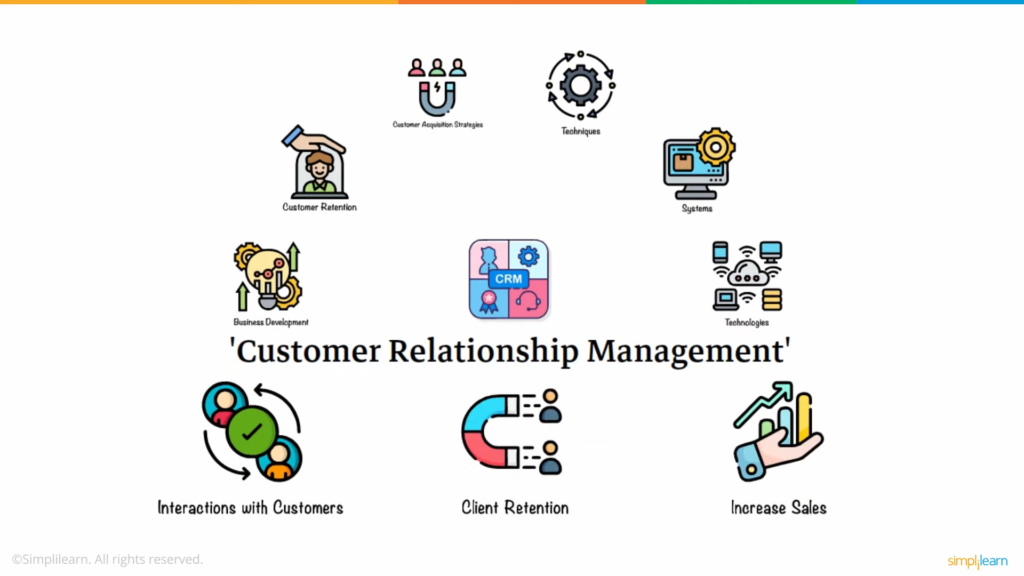
Unlocking Client Acquisition: Leveraging CRM Systems and Free Offerings

In today’s fiercely competitive business landscape, the importance of customer relationship management (CRM) systems cannot be overstated. At the same time, the concept of attracting clients by giving away free information and products has gained significant traction. In this article, we’ll explore how these two seemingly disparate elements can be seamlessly integrated to supercharge your client acquisition efforts.

CRM Systems: The Backbone of Client Acquisition

A CRM system is more than just a digital Rolodex for storing customer information. It’s a powerful tool for nurturing leads, fostering customer loyalty, and ultimately, driving revenue growth. Here’s how CRM systems can become the backbone of your client acquisition strategy:

1. Streamlined Lead Management

CRM systems enable you to organize and manage leads efficiently. When a potential client interacts with your free offerings, whether it’s a downloadable eBook or a free trial of your software, their information is captured in the CRM. This not only prevents leads from falling through the cracks but also allows for personalized follow-up.

2. Personalization at Scale

Personalization is key in client acquisition. CRM systems allow you to segment your audience based on various criteria, such as behavior, preferences, and demographics. With this data at your fingertips, you can tailor your outreach, making your clients feel like valued individuals rather than generic targets.

3. Data-Driven Decision Making

CRM systems provide you with actionable insights. You can track the effectiveness of your client acquisition strategies, analyzing which free offerings resonate the most with your target audience. This data empowers you to make informed decisions, optimizing your approach for better results.

The Power of Free: Attracting Clients with Valuable Offerings

The strategy of offering free information and products to attract clients is rooted in the principle of reciprocity. When you provide something of value for free, you create a sense of goodwill and trust, making potential clients more likely to engage with your brand. Here’s how you can leverage this approach effectively:

1. High-Quality Content

To attract clients, your free content must be top-notch. This includes eBooks, blog posts, webinars, and more. Focus on solving your target audience’s pain points and offering practical solutions. Quality content not only attracts clients but also positions your brand as an industry authority.

2. Free Trials and Samples

If you’re in a product-based business, offering free trials or samples is a potent strategy. Clients get to experience the value of your product firsthand, reducing their perceived risk and increasing the likelihood of conversion.

3. Email Marketing

Email is a powerful tool for nurturing leads acquired through free offerings. Use your CRM system to automate personalized email sequences that guide potential clients through the sales funnel. Share more valuable information, address objections, and gently encourage them to take the next step.

4. Community Building

Create an online community around your brand. Use social media, forums, or dedicated platforms to engage with your audience. Foster discussions, provide additional value, and build a loyal following.

The Symbiosis: CRM Systems and Free Offerings

The synergy between CRM systems and free offerings lies in their ability to create a seamless and personalized client acquisition journey. Here’s how they can work in tandem:

  1. Lead Capture: When a potential client engages with your free content or product, their information is automatically recorded in your CRM system.
  2. Segmentation: The CRM system categorizes these leads based on their behavior and preferences.
  3. Personalization: Using the data from the CRM, you can send targeted follow-up emails, suggesting more relevant free content or guiding them towards a conversion point.
  4. Progress Tracking: The CRM system helps you monitor the progress of each lead, identifying where they are in the client acquisition funnel.
  5. Conversion: With personalized communication and nurturing, leads are more likely to convert into paying clients.
  6. Loyalty Building: Post-conversion, the CRM system continues to track client interactions, allowing you to provide ongoing value and nurture client loyalty.
source: youtube.com/@SimplilearnOfficial

In a digital age where clients are bombarded with information, offering valuable free content and products is a way to stand out. When combined with the power of CRM systems, this strategy becomes a potent formula for successful client acquisition. The key lies in understanding your audience, providing genuine value, and using technology to deliver a personalized experience that converts potential clients into long-term brand advocates. Embrace the potential of CRM systems and the allure of free offerings, and you’ll find your client acquisition efforts taking flight like never before.